

There’s something about Ushuaia’s landscapes that filmmakers simply can’t resist. Ancient lenga forests that turn brilliant shades of red and gold in autumn, the vast Beagle Channel stretching toward the horizon, the soft golden light of winter, and snow-capped peaks framing almost every shot create a setting unlike anywhere else on Earth. Since 1929—when German aviator Gunther Plüschow filmed Silberkondor über Feuerland—Ushuaia has served as the backdrop for productions from around the world, from classic documentaries to recent Netflix originals.
Here are the most iconic movies filmed in Ushuaia, where the breathtaking landscapes of the End of the World have become unforgettable movie locations.
The Revenant (2015): Leonardo DiCaprio Arrives in Tierra del Fuego
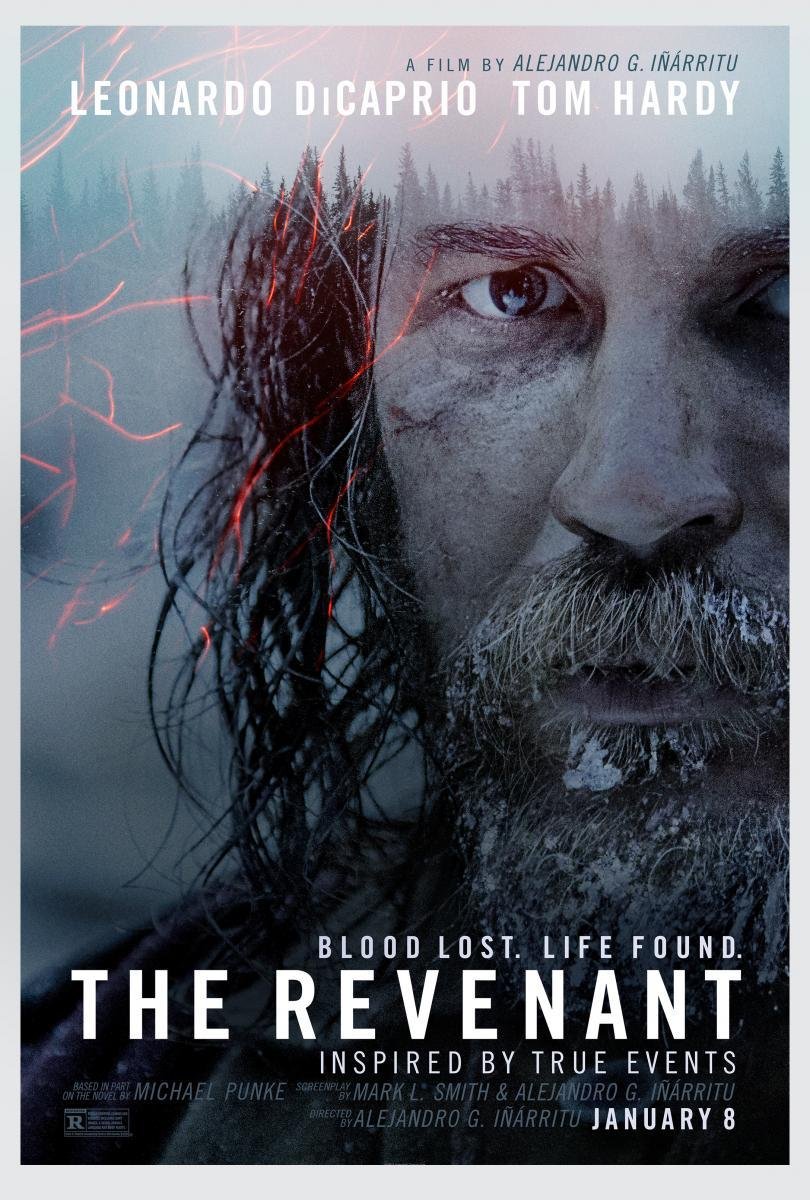
Few people know that some of the most breathtaking scenes in The Revenant (2015)—the Academy Award-winning film that earned Leonardo DiCaprio his first Oscar—were actually filmed in Ushuaia, at the southern tip of Argentina.
Production originally took place in Canada and the United States, but an unexpected problem changed everything. During the winter of 2015, unusually warm weather left the Canadian filming locations without enough snow to complete the movie. To recreate the harsh frozen wilderness the story demanded, the crew moved to Tierra del Fuego, where winter conditions were still ideal.
For nearly two weeks, the production filmed along the Olivia River, just outside Ushuaia on National Route 3. The region’s dramatic mountains, pristine forests, and snow-covered landscapes perfectly recreated the untamed North American frontier of 1823—arguably even more convincingly than the original locations.
Based on true events, The Revenant follows frontiersman Hugh Glass, who survives a brutal grizzly bear attack before being left for dead by members of his own expedition. His extraordinary journey of survival and revenge unfolds against some of the world’s most spectacular wilderness, with Tierra del Fuego playing a key role in bringing that landscape to life.
Today, The Revenant is available to stream on Netflix.
La Fuga (2001): The Ushuaia Prison as Argentina’s National Penitentiary

Another of the most memorable movies filmed in Ushuaia in the early 2000s is La Fuga (Escape), a film that uses the city as one of its main settings—although many viewers never realized they were looking at the End of the World.
Directed by Eduardo Mignogna and starring Ricardo Darín, Miguel Ángel Solá, Gerardo Romano, and Norma Aleandro, the film is inspired by the true story of the 1928 escape of seven inmates from Argentina’s National Penitentiary in Buenos Aires.
There was one challenge: the original prison in Buenos Aires had been demolished decades before filming began. The solution was the historic Ushuaia Prison (Presidio de Ushuaia), a former penitentiary that operated until 1947 and is now one of the city’s most important museums. Its early 20th-century architecture provided the perfect stand-in for the original Buenos Aires prison.
The production team spent ten days filming in Ushuaia, transforming parts of the prison to recreate the atmosphere of 1920s Buenos Aires. Floors were restored, shower facilities were rebuilt, plumbing was installed, and even palm trees were added outside to match the capital’s landscape. Although filming more than 3,000 kilometers (1,860 miles) from Buenos Aires initially raised concerns about logistics and budget, the authenticity of the location ultimately made the decision worthwhile.
The story follows the different fates of the seven escapees: an anarchist, a con artist, three murderers, a swindler, and an innocent man imprisoned by a corrupt police officer. The film is based on Eduardo Mignogna’s novel of the same name.
Today, visiting the Ushuaia Prison Museum offers more than a journey through Argentina’s history—it’s also an opportunity to walk through one of the country’s most iconic movie locations.
The Reconstruction (2013): Diego Peretti in Ushuaia
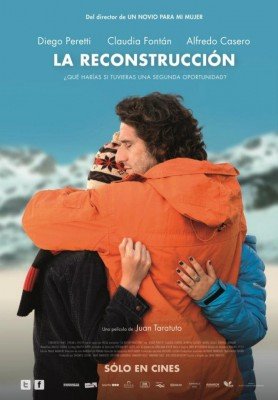
In 2012, director Juan Taratuto chose Tierra del Fuego as the filming location for The Reconstruction (La Reconstrucción), a drama starring Diego Peretti, Alfredo Casero, and Claudia Fontán.
The story follows Eduardo (Peretti), an oil industry worker based in Río Grande, who travels to Ushuaia to support his close friend (Casero) during a major surgery. As he spends time with his friend’s family, he begins a deeply personal journey that challenges his emotional detachment and changes the way he sees life.
Filming lasted for an entire month across Ushuaia and several other locations in Tierra del Fuego, showcasing some of the island’s spectacular landscapes. Director Juan Taratuto explained that he wanted to shoot outside Argentina’s major cities and was drawn to the unique scenery and atmosphere of the country’s southernmost province. Diego Peretti described filming in Tierra del Fuego as “a real challenge because of the geography.” The production also featured the renowned folk music group Los Copleros del Sur, who have been part of the region’s cultural heritage for more than 50 years.
Today, The Reconstruction is available to stream on Cine.ar.
Risa and the Wind Booth (2026): Ushuaia’s Latest Netflix Production
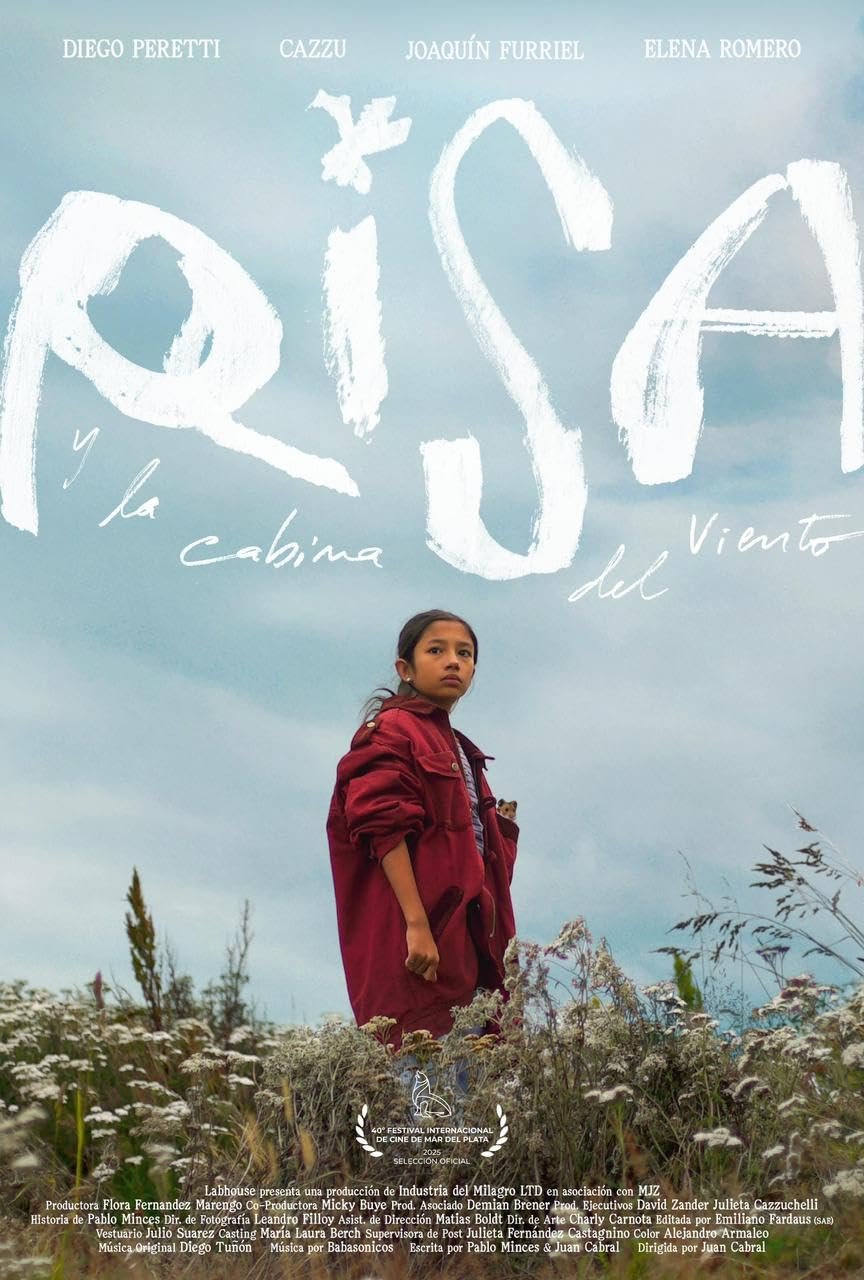
The most recent—and currently one of the most talked-about movies filmed in Ushuaia—is Risa and the Wind Booth, directed by Juan Cabral and available on Netflix since June 3, 2026.
Unlike many productions that only use the region for selected scenes, Risa and the Wind Booth was filmed entirely in Ushuaia throughout 2025, with much of the production taking place in the city’s 245 Viviendas neighborhood. Before its Netflix release, the film won Best Film and Best Director in the Argentine Competition at the 2025 Mar del Plata International Film Festival, and later received the Best Youth Film award at the Stockholm International Film Festival Junior in Sweden.
The story follows Risa, a ten-year-old girl who lives with her mother, Sara, in a remote area of Ushuaia. After losing her father in a devastating fire, she discovers an abandoned telephone booth that allows her to communicate with the spirits of the dead. Each spirit has unfinished business that Risa must help resolve before she can speak with her father one last time.
The cast features some of Argentina’s best-known actors:
- Diego Peretti as Esteban, the neighbor who looks after Risa.
- Joaquín Furriel in a pivotal dramatic role.
- Cazzu, making her feature film debut as Sara, Risa’s mother.
- Elena Romero as Risa.
- Graciela Borges and Gustavo Garzón in supporting roles.
The original score was composed by Babasónicos.
Director Juan Cabral drew inspiration from the Wind Phone, a real disconnected telephone booth installed in Ōtsuchi, Japan, in 2010. Following the 2011 tsunami, it became a symbolic place where people could “speak” to loved ones who had passed away. In the film, that moving concept is reimagined against the dramatic landscapes of Ushuaia.
In Risa and the Wind Booth, Tierra del Fuego is far more than a backdrop. The wind, the mountains, the cold, and the unique light of the End of the World become essential elements of the story’s intimate and melancholic atmosphere. As Diego Peretti said during the Mar del Plata Film Festival, “Being in Ushuaia helped us tremendously. It’s a film with a script that has a beating heart.”
Since its release, Risa and the Wind Booth has become one of the most-watched films on Netflix Argentina.
Other Movies Filmed in Ushuaia
Cinema arrived in Tierra del Fuego much earlier than most people imagine. Over the decades, several acclaimed productions have chosen Ushuaia and the End of the World as unforgettable filming locations.
Happy Together (1997), directed by acclaimed Hong Kong filmmaker Wong Kar-wai, features scenes filmed in Ushuaia. The award-winning romantic drama uses the city’s remote setting as a powerful metaphor for the emotional distance between its two protagonists.
The Journey (El Viaje) (1992), directed by Fernando “Pino” Solanas, begins in Ushuaia. From Argentina’s southernmost city, the young protagonist embarks on a life-changing journey across Latin America to Mexico, discovering a continent marked by social inequality, political corruption, and hope. The film turns the End of the World into the symbolic starting point of an unforgettable road movie.
Other productions that showcase the stunning landscapes of Tierra del Fuego include Todas las azafatas van al cielo (Every Stewardess Goes to Heaven, 2002) and El viaje de Gordo al fin del mundo, both of which highlight the region’s unique scenery and atmosphere.
Why Do Filmmakers Choose Ushuaia?
La respuesta es múltiple. Primero, los paisajes: ningún otro lugar de Argentina combina en tan pocos kilómetros bosque subantártico, montañas nevadas, costa marina y arquitectura histórica. Segundo, la luz: en invierno, las horas de sol son escasas pero la calidad lumínica es extraordinaria, con una luz rasante que favorece el trabajo fotográfico. Tercero, la autenticidad: Ushuaia tiene una escala humana y una atmósfera que difícilmente puede recrearse en estudio.
Y hay un cuarto motivo, más pragmático: la nieve. Como demostró El Renacido, cuando el hemisferio norte falla, el sur austral siempre tiene reservas.
Visitar Ushuaia hoy es recorrer, sin saberlo, películas filmadas en Ushuaia. El Presidio donde escapó Ricardo Darín, el Río Olivia donde Leonardo DiCaprio sobrevivió al frío, el barrio donde Risa encontró su cabina. El fin del mundo tiene más historias de las que caben en una pantalla.
Comment (0)